How Esports Orgs Are Changing the Game with AI Coaches
The rise of artificial intelligence has begun to transform industries across the globe, and esports is no exception. In 2025, AI coaches have emerged as one of the most exciting innovations reshaping how teams prepare, strategize, and perform. Esports organizations are investing heavily in machine learning and data-driven tools that offer insights far beyond what traditional human coaching alone can provide. This shift is not only changing how teams train but also leveling the competitive playing field in unprecedented ways.
At the core of AI coaching is data. Modern esports titles generate enormous volumes of in-game statistics: movement patterns, reaction times, ability usage, economy management, and more. AI systems analyze this data in real time and across thousands of matches, identifying subtle trends and patterns that might elude even the most experienced human analyst. For teams, this means access to personalized feedback tailored to each player’s strengths and weaknesses, delivered instantly after matches or even during practice sessions.
Beyond raw data analysis, AI coaches help in strategic development. They simulate countless scenarios and provide suggestions on map control, team compositions, and optimal utility usage based on the opposing team’s tendencies. This allows organizations to prepare for opponents with a level of precision that was once unimaginable. Coaches and analysts can then focus on refining team dynamics and mental readiness, confident that the technical groundwork has been comprehensively covered.
The integration of AI is also democratizing high-level coaching. Smaller or tier 2 organizations that historically lacked resources to hire large coaching staffs can now access sophisticated AI tools. This levels the competitive landscape, allowing underdog teams to close the gap with established giants. The result is a more dynamic and unpredictable competitive scene, where innovation and adaptation take precedence over sheer budgets.
Of course, the human element remains essential. AI coaches cannot replace the emotional intelligence, motivation, and leadership that human coaches provide. Instead, they augment these qualities, acting as a tireless assistant that crunches numbers and offers objective perspectives. The best teams are those who blend AI-driven insights with human experience, creating a synergy that pushes their gameplay to new heights.
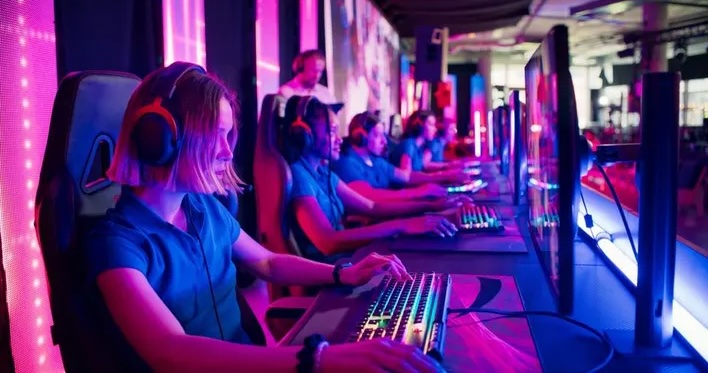
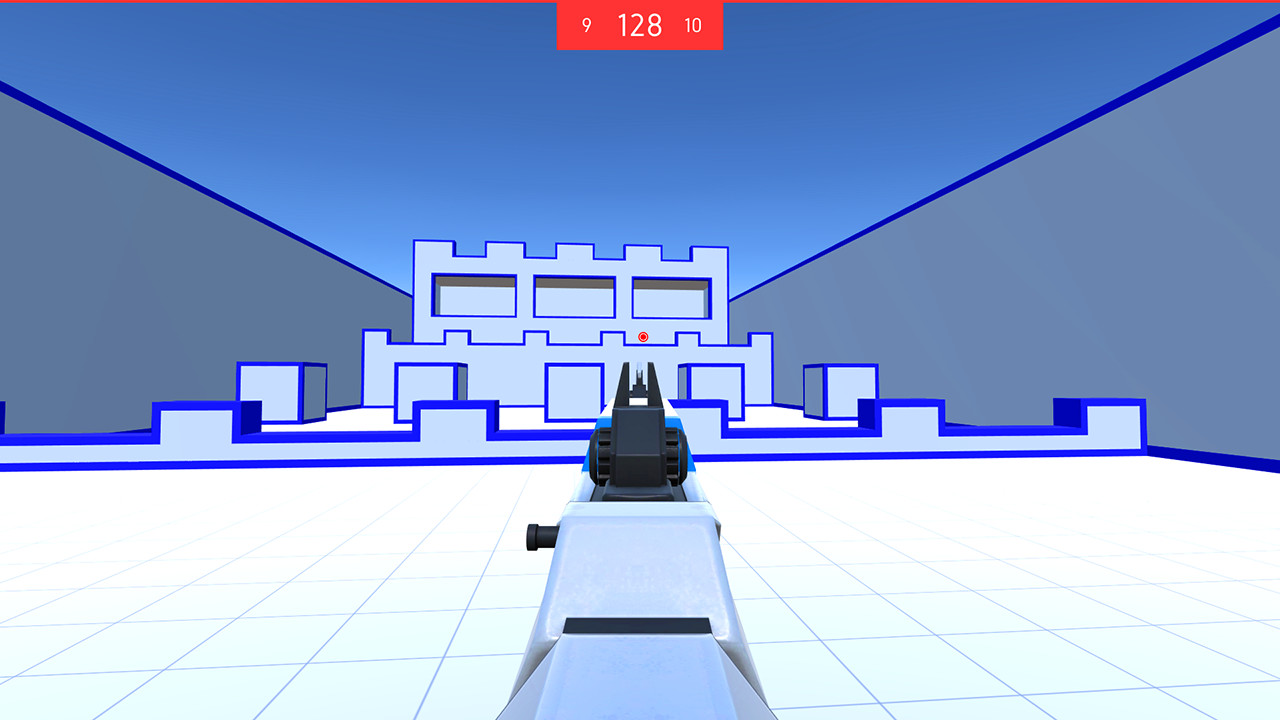
AI coaching has also changed individual practice routines. Players use AI-driven aim trainers that adapt difficulty based on real performance metrics, helping them improve faster and more efficiently. Some organizations even use AI to monitor player wellness, tracking fatigue or stress indicators to optimize training schedules and prevent burnout—a concern growing alongside the increasing demands of professional play.
As the technology continues to evolve, so too will its role in esports. Future developments might include real-time AI feedback during live matches, helping IGLs make split-second decisions or adjusting strategies on the fly. While controversial, such innovations could redefine competitive integrity and the very nature of the game.
In conclusion, AI coaches have become a game-changer for esports organizations in 2025. By harnessing vast amounts of data and computational power, these tools provide teams with deeper insights, smarter strategies, and more efficient training methods. The result is a faster, more competitive, and more exciting esports landscape. As AI continues to develop, the line between human intuition and machine intelligence will blur, pushing the boundaries of what’s possible in competitive gaming.